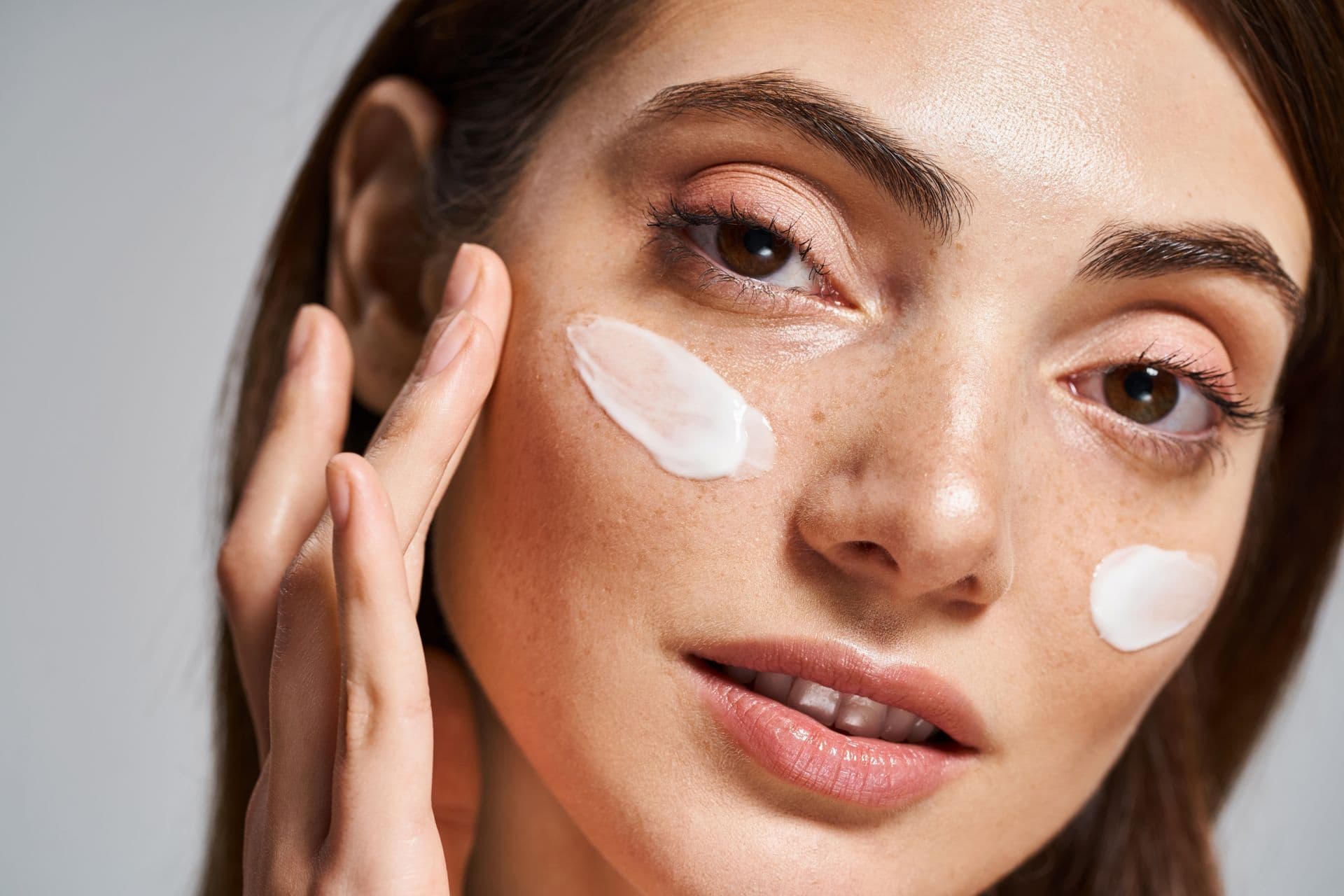
Data-driven skincare has been the dominant topic in the beauty world for some time now. Thanks to the growing influence of artificial intelligence in the beauty industry, personalised skincare looks entirely different in 2026 — and has become the leading beauty trend.
Until recently, we built our skincare routines through recommendations, trial and error. A tip from a best friend, an influencer’s Instagram post, the latest formula from a beauty salon, another marketing-driven must-have… Now, it’s time for a completely different approach. With the development of artificial intelligence, the beauty industry is offering a new model: personalised skincare based on data. Algorithms, skin scanning and progress tracking promise to finally cut through the chaos of overcrowded shelves and contradictory advice. But what does that actually mean for those of us standing in front of the mirror, with real skin, real concerns and limited patience?
What does personalised skincare look like in 2026?
It is no longer about categorising skin as oily, dry or combination — or even young versus mature. When we talk about personalised skincare today, we’re talking about routines built on measurements and data (another major shift brought by AI over the past two years). In practice, this means skincare routines created using multiple layers of data:
-
AI-powered skin scanning — online tools and apps that instantly assess overall skin condition, including texture, pores, pigmentation, redness, wrinkles, hydration levels and barrier strength, and provide personalised recommendations. L’Oréal, for example, already offers an AI skin analysis tool called Skin Genius.
-
At-home biomarker-measuring devices — a major innovation in beauty, smart devices are now available for home use. Instead of visiting salons, users can measure certain biomarkers themselves to better understand which active ingredients their skin needs most.
-
Health tracking — we now know with confidence that beauty truly does come from within, and that lifestyle has a direct impact on how our skin looks. As a result, AI health-tracking tools (monitoring sleep, stress, cycle, exercise and diet) are increasingly used to shape skincare routines.
Combined — and interpreted by AI or professionals — these data points help reveal what the skin actually needs, making routines as effective as possible. This trend also aligns with a growing regenerative approach to cosmetics, one that prioritises skincare and long-term planning over quick fixes such as Botox.
The benefits of data-driven skincare
For consumers, data-driven skincare primarily means less guesswork and more results. Instead of blindly following influencer recommendations, products are chosen based on the skin’s current condition — whether the barrier is compromised, inflammation is present, or dehydration or pigmentation needs addressing. The natural outcome is a more efficient routine and faster results.
AI-driven personalisation also enables progress tracking, which is especially valuable for slow-acting ingredients. However, it’s important to be selective about which tools you trust. Just like skincare products, not all apps and devices are equally reliable. Ideally, choose tools that clearly explain what they measure and how, have dermatological validation (studies are a plus), and offer conservative, well-balanced recommendations.
Even if you continue to rely on cosmetologists or dermatologists, expect data-driven skincare to influence their approach as well. In today’s beauty landscape, treatments are increasingly customised, combining wellness techniques with lasers, energy-based devices and microneedling.
The downsides of data-driven personalisation
It all sounds almost too good to be true — and in some ways, it is. Alongside the hype come legitimate concerns:
False precision
Skin scanners and algorithms can appear highly accurate, but most rely on a limited set of variables such as lighting, camera quality, hydration levels, makeup and angles. What they provide is interpretation, not diagnosis — yet they often feel like hard science.
Overly complex routines
Ironically, personalisation can sometimes lead to more products, not fewer. Multiple phases, constant adjustments and micro-tweaks can create the feeling that the skin always needs something new.
Lack of independent validation
Many tools and devices still lack long-term, independent studies to support their claims. The line between emerging science and speculation is often blurred.
Privacy and biometric data
Facial images, health data, stress levels, sleep patterns and hormonal information are highly sensitive. It’s not always clear where this data is stored, who has access to it, or whether it’s used for additional targeting and sales.
The pressure to optimise
When skincare is constantly measured and scored, skin can become yet another project that never feels “good enough.” Instead of self-care, skincare risks turning into control and perfectionism — something we certainly don’t need more of.